
Why Scheduling Regular Service Plumbing Can Prevent Costly Emergencies
Plumbing systems are the backbone of any residential or commercial property, silently ensuring the smooth flow of water, proper drainage, and overall sanitation. Despite their crucial role, plumbing systems are often neglected until a crisis arises. A minor leak or slow drain may seem inconsequential at first, but these small issues can escalate into major, costly emergencies if left unattended. Regular service plumbing is a proactive approach that prevents such scenarios, preserving both property and finances. Understanding the value of scheduled maintenance is essential for homeowners and property managers alike, as it reduces the likelihood of unexpected disruptions and costly repairs.
Beyond mere prevention, regular plumbing service offers insight into the long-term health of your system. Professional inspections and maintenance not only detect hidden issues but also enhance efficiency and extend the lifespan of pipes, fixtures, and appliances. From identifying corroded pipes to ensuring proper water pressure, scheduled plumbing care addresses problems before they evolve into significant complications. Investing time in routine service ultimately safeguards the safety, comfort, and financial stability of any property, making it a smart, strategic choice for those looking to avoid emergencies and maintain a functional, reliable plumbing infrastructure.
1. The Hidden Dangers of Neglected Plumbing
Minor Issues Can Escalate Quickly
Even small plumbing problems, such as a dripping faucet, slow drain, or minor leak, can lead to severe damage if ignored. Water intrusion into walls, ceilings, or foundations may cause structural damage, mold growth, and costly repairs. Homeowners often underestimate these risks, assuming a minor inconvenience will resolve itself. However, plumbing materials deteriorate over time, and the consequences of neglect can be extensive, both financially and in terms of health hazards.
Health Risks Associated with Plumbing Failures
Neglected plumbing not only affects property integrity but also poses significant health risks. Contaminated water from leaking or corroded pipes can introduce bacteria and pathogens into your home’s water supply. Similarly, hidden leaks can promote mold and mildew growth, triggering respiratory issues and allergic reactions. Scheduling regular service allows professionals to identify potential health hazards early, ensuring safe water quality and a hygienic living environment.
Real-World Examples
Consider a household that ignored a slow, recurring leak in the kitchen. Over months, the leak worsened, saturating the subfloor and causing wood rot. The repair costs exceeded $10,000, far surpassing the nominal expense of regular preventive inspections. Similar scenarios are common in commercial properties, where water damage can disrupt operations, requiring temporary closures and significant financial loss. Proactive maintenance mitigates these risks before they spiral out of control.
2. Benefits of Routine Plumbing Maintenance
Cost Savings Over Time
Scheduling regular service plumbing is an investment in long-term financial savings. Preventive maintenance helps avoid sudden pipe bursts, water heater failures, and extensive water damage, which often result in emergency repair bills. Routine inspections allow minor issues to be addressed at a lower cost, preserving both property and budget. Over time, these savings can amount to thousands of dollars.
Enhanced System Efficiency
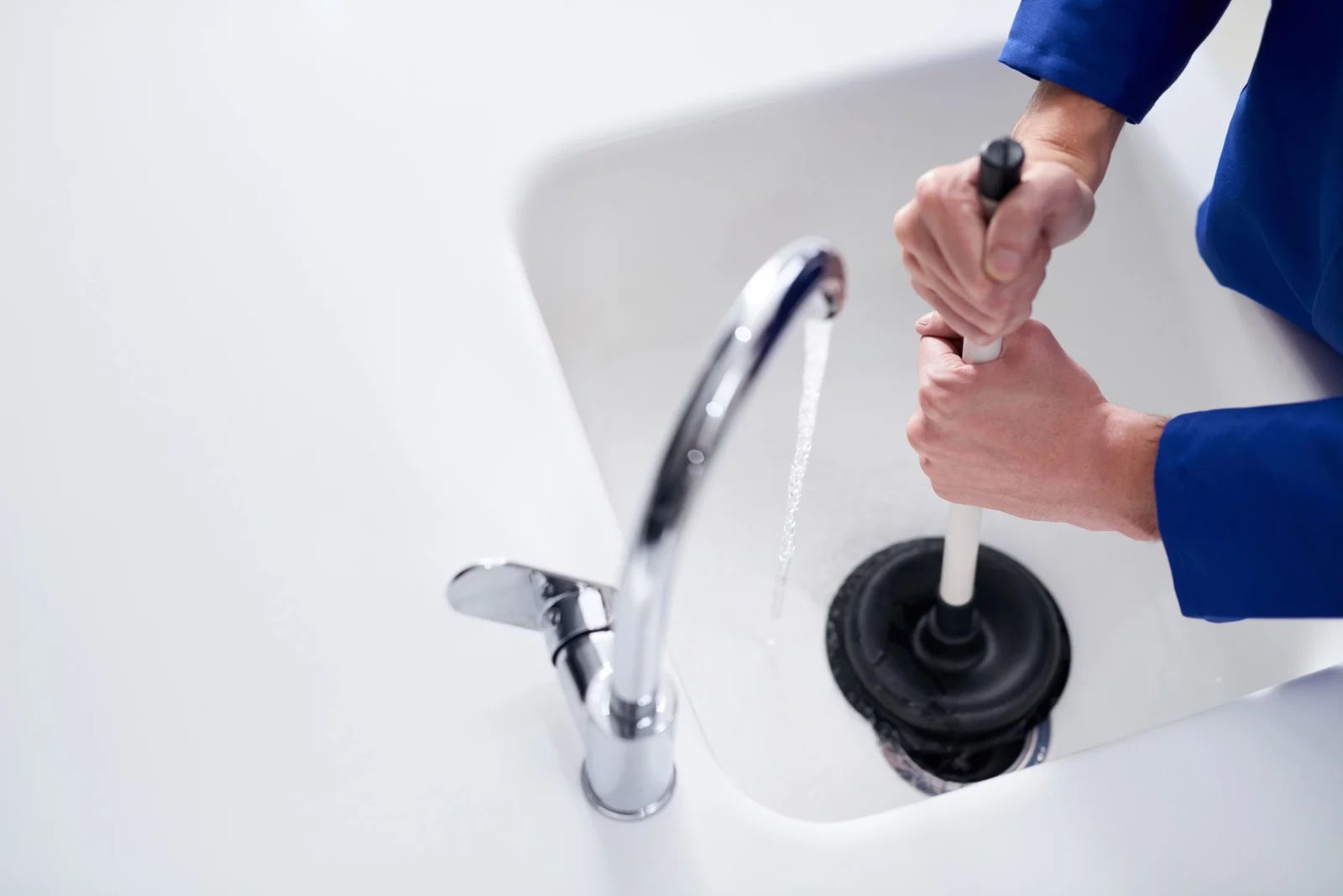
Routine plumbing care ensures that all components of the system function optimally. Professional technicians clean drains, check for clogs, and assess water pressure, which enhances overall efficiency. Efficient plumbing reduces water waste, lowers utility bills, and ensures appliances like dishwashers and washing machines operate correctly. Additionally, regular maintenance can identify outdated fixtures and recommend upgrades that improve performance.
Prolonging Lifespan of Plumbing Systems
Pipes, faucets, water heaters, and other plumbing components naturally wear over time. Regular service identifies corrosion, leaks, or weak points before they fail. By addressing these issues proactively, homeowners and property managers can extend the lifespan of their plumbing systems, delaying expensive replacements. Routine maintenance acts as a protective layer, ensuring the longevity of both essential fixtures and infrastructure.
Real-World Scenario
A multi-family property experienced frequent low water pressure complaints. Regular maintenance revealed partially blocked pipes and sediment buildup in the water heater. After cleaning and minor repairs, water flow improved significantly, and the building avoided a major water heater replacement that could have cost over $8,000. This example illustrates the tangible benefits of routine plumbing maintenance.
3. Key Areas Addressed During Scheduled Plumbing Service
Pipe Inspections and Leak Detection
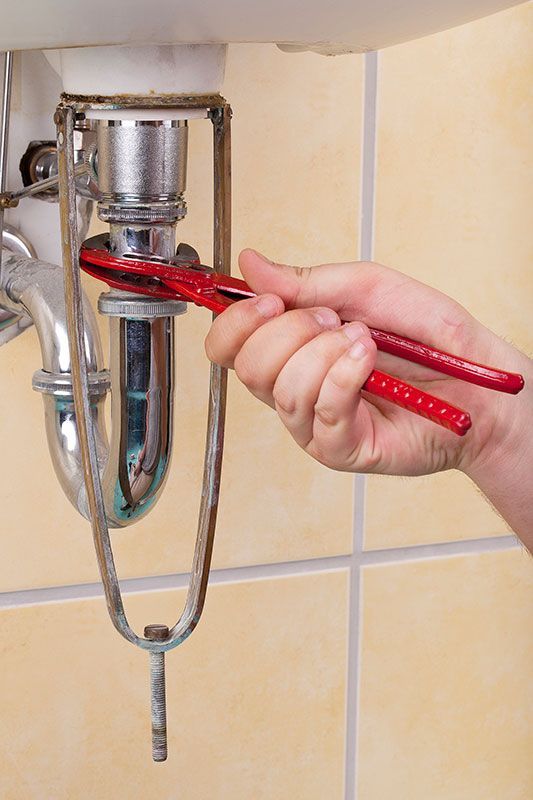
Professional plumbing service includes thorough inspections of pipes and connections. Technicians use advanced tools like thermal imaging cameras and electronic leak detectors to identify hidden leaks or weak points. Detecting leaks early prevents water damage and reduces the risk of pipe bursts, which can be catastrophic and expensive to repair.
Drain and Sewer Line Maintenance
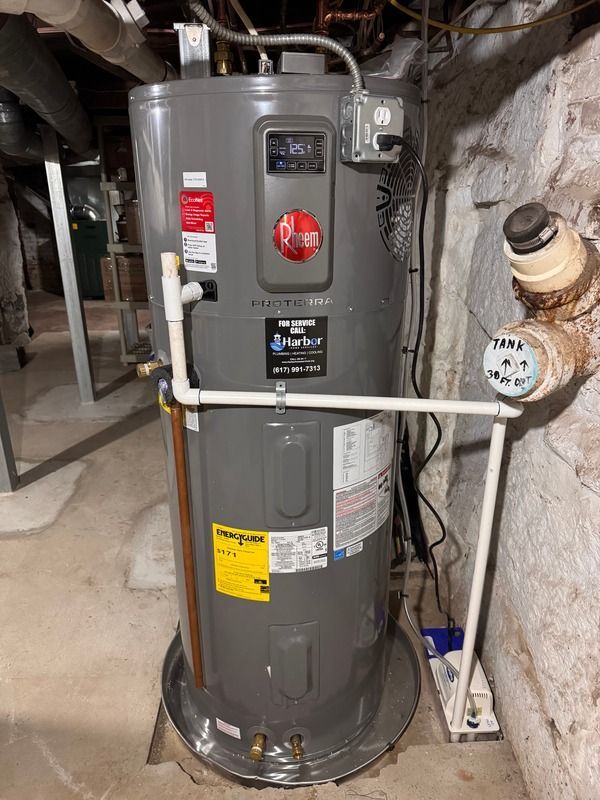
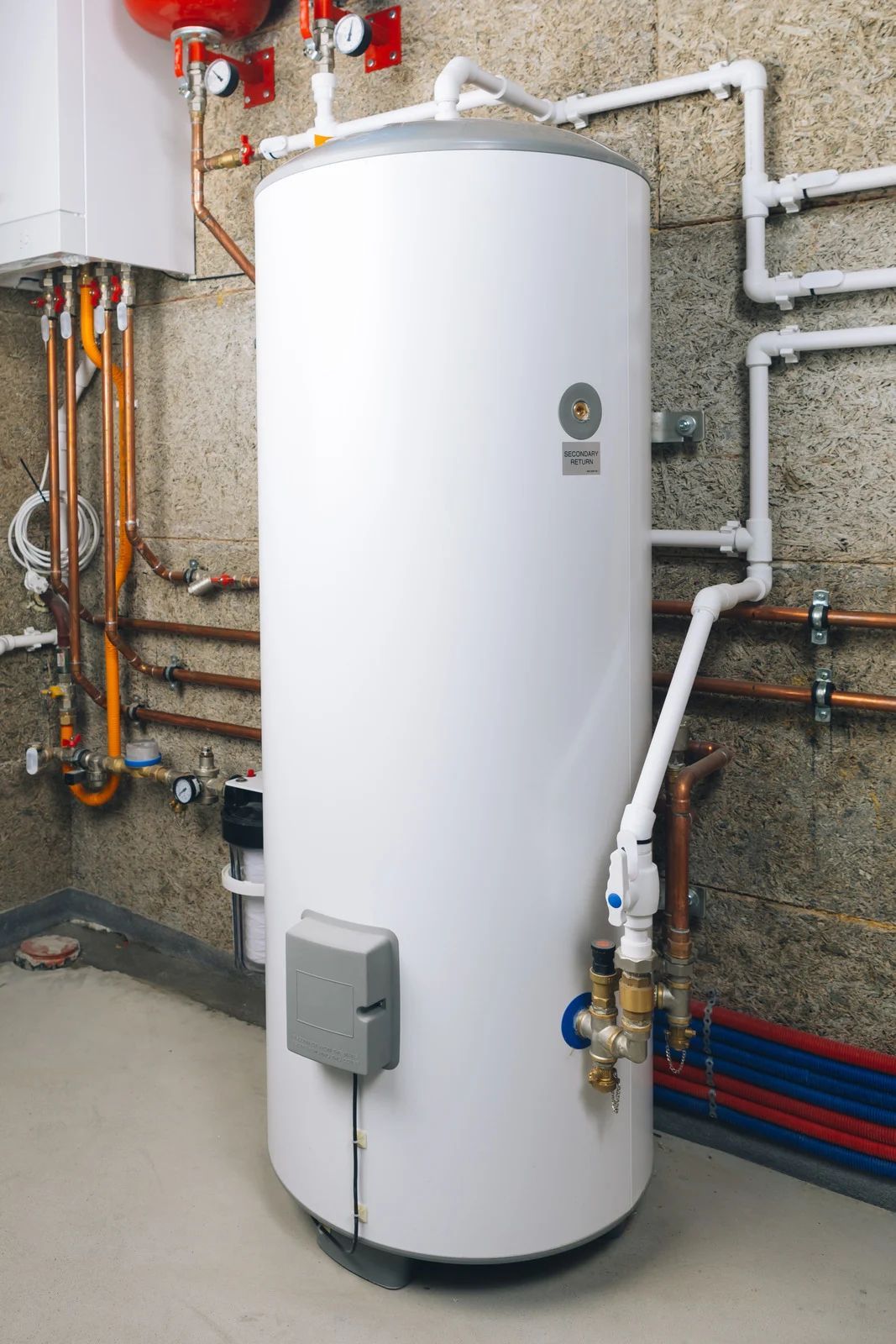
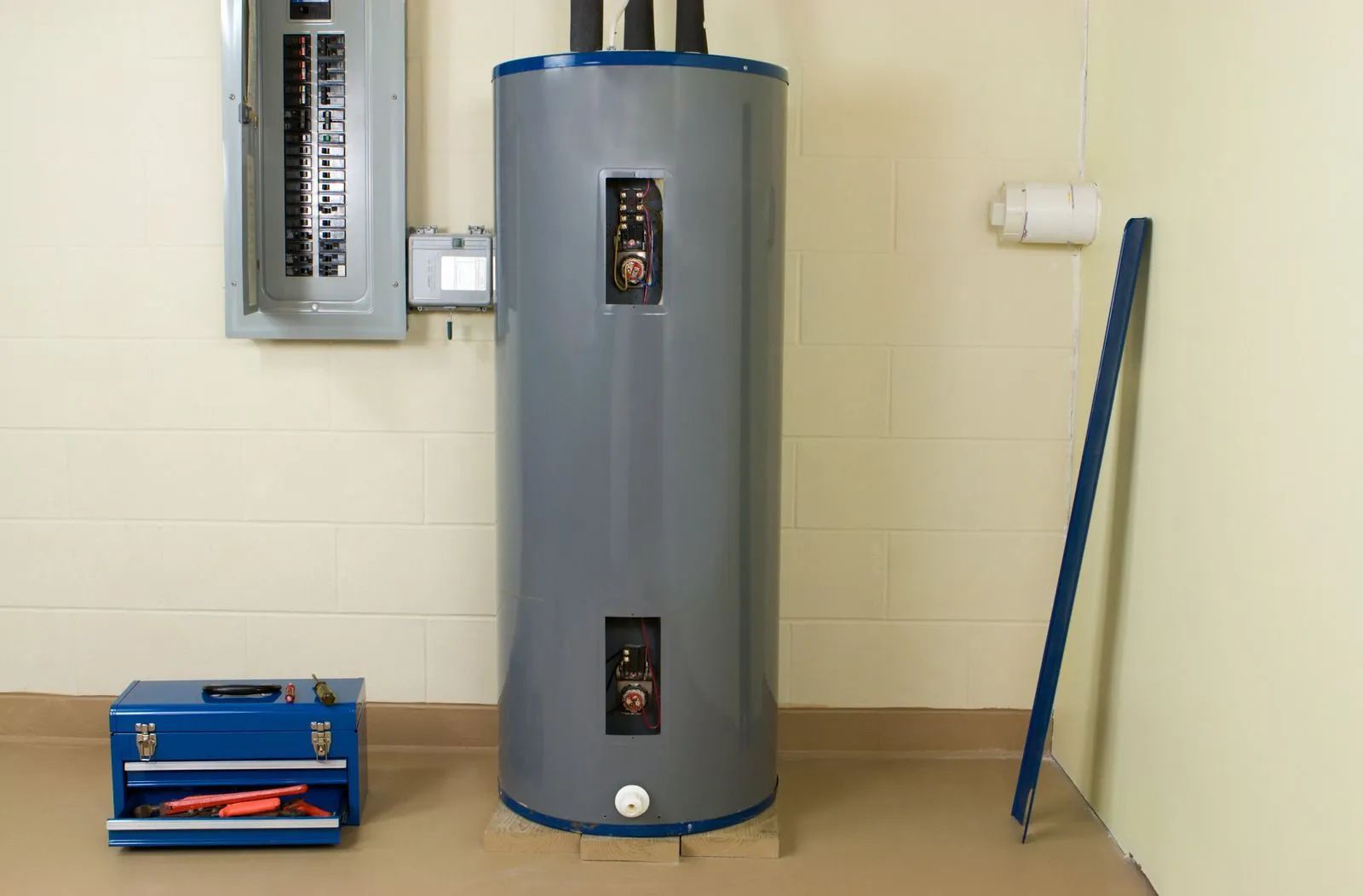
Water heaters are prone to sediment buildup, corrosion, and mechanical failures. During scheduled service, technicians flush tanks, inspect heating elements, and evaluate pressure relief valves. These steps prevent sudden breakdowns, improve heating efficiency, and reduce energy costs while extending the heater’s lifespan.
Fixture Evaluation
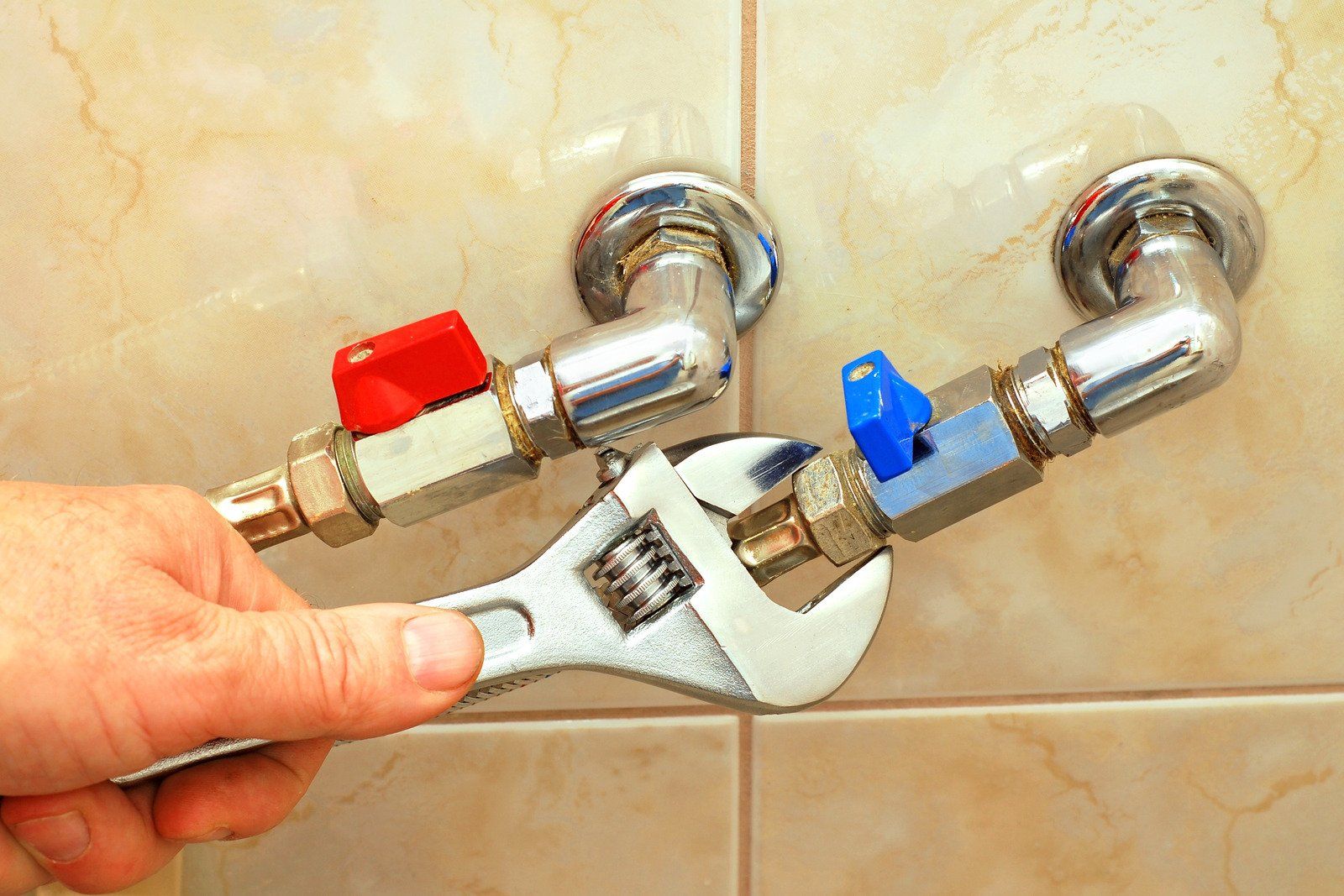
Faucets, toilets, and other fixtures are also examined during routine plumbing service. Professionals check for leaks, worn-out washers, and proper sealing to prevent water wastage. By maintaining fixtures regularly, property owners can avoid emergency replacements and ensure reliable operation throughout the home or business.
4. Best Practices for Scheduling Plumbing Services
Establish a Regular Maintenance Schedule
Experts recommend scheduling plumbing inspections at least once a year, with additional checkups for older systems or properties experiencing frequent issues. Consistency ensures that minor problems are addressed promptly, preventing escalation into major emergencies. Establishing a maintenance calendar also helps homeowners budget effectively for preventive services.
Engage Licensed and Experienced Professionals
Choosing licensed, experienced plumbers ensures that inspections and repairs are thorough and reliable. Skilled professionals can detect subtle warning signs, recommend cost-effective solutions, and perform repairs that meet safety and code standards. Engaging qualified technicians minimizes the risk of errors and reinforces system integrity.
Combine Preventive Measures with Upgrades
During routine service, plumbers may identify outdated materials or inefficient fixtures. Combining preventive maintenance with strategic upgrades, such as installing low-flow faucets or replacing corroded pipes, maximizes efficiency and long-term savings. Modernizing systems during routine service also reduces the likelihood of emergencies caused by aging infrastructure.
Document and Track Maintenance
Maintaining detailed records of inspections, repairs, and upgrades helps property owners track system health and identify recurring issues. Documentation supports proactive decision-making, allowing timely interventions and preventing unforeseen costs. It also provides proof of maintenance for insurance or property management purposes.
5. Challenges and Solutions in Preventive Plumbing
Common Obstacles
Homeowners often delay preventive plumbing due to perceived costs, scheduling conflicts, or lack of awareness. Commercial properties may face additional challenges, such as coordinating service around operational hours or managing multiple plumbing systems. While these obstacles are real, the consequences of neglect are far costlier.
Expert Knowledge and Compliance
Full-service companies employ licensed, trained, and experienced technicians who stay up-to-date with building codes, safety standards, and emerging technologies. This expertise ensures that all work is compliant, safe, and aligned with best practices, reducing liability and enhancing long-term system performance.
Cost-Benefit Perspective
Although preventive maintenance has upfront costs, the financial impact of emergency plumbing is significantly higher. Burst pipes, sewer backups, and extensive water damage often involve repair bills, property restoration, and business interruptions. Evaluating maintenance expenses in the context of potential emergencies highlights the value of proactive plumbing service.
Innovative Solutions
Modern plumbing technologies, including leak detection sensors, video inspections, and automated water monitoring systems, help identify risks before they escalate. Partnering with professional plumbers who leverage these innovations ensures timely intervention and minimizes disruption. Technology combined with regular service transforms reactive plumbing into a preventive strategy.
6. Expert Insights: Why Professionals Recommend Regular Service
Early Problem Detection
Professional plumbers emphasize that early detection is the cornerstone of effective plumbing maintenance. A minor leak or slow drain may appear trivial but can indicate underlying issues like pipe corrosion, root intrusion, or pressure irregularities. Detecting these problems early prevents sudden failures and reduces repair complexity.
Long-Term Financial Protection
Experts consistently highlight the financial benefits of scheduled service. Regular maintenance avoids emergency repairs, reduces water waste, and extends the life of plumbing components. Over time, these measures save significant amounts of money, justifying the investment in routine inspections.
Enhanced Safety and Comfort
Maintaining a plumbing system proactively safeguards residents’ health and property. Reliable water supply, functional drainage, and properly maintained fixtures ensure daily comfort and prevent emergencies that could cause stress, damage, or health hazards. Professional insights underscore that preventive care is as much about peace of mind as it is about cost savings.
Industry Case Studies
Commercial properties that adopt preventive plumbing programs often report fewer emergencies, lower maintenance costs, and reduced operational disruption. Similarly, homeowners who schedule annual service experience fewer leaks, improved water efficiency, and extended appliance lifespans. These outcomes validate the expert recommendation for routine plumbing service as a standard practice.
Expert Care Ensuring Long-Term Plumbing System Reliability
Pete's Plumbing Repair LLC
serving Lodi, Bergen County, and Passaic County, New Jersey, brings 30
years of experience to the field, offering trusted plumbing solutions backed by expertise and professionalism. With a commitment to thorough inspections, preventive maintenance, and efficient repairs, the company helps clients prevent emergencies, save money, and maintain a safe, reliable plumbing infrastructure. Whether addressing minor leaks, performing
water heater maintenance, or managing complex systems, Pete's Plumbing Repair LLC
combines skill, experience, and customer-centered service to ensure long-term plumbing health. Their proactive approach reinforces the importance of scheduled maintenance, making them a dependable partner for any plumbing need.