
5 Common Plumbing Issues Every Homeowner Should Know About
Plumbing problems are among the most common maintenance challenges homeowners face, yet many issues develop gradually before turning into costly emergencies. From silent leaks hiding behind walls to aging pipes that strain under daily water usage, small warning signs often go unnoticed until they disrupt routines, damage interiors, or compromise property value. In today’s housing market, where efficiency, safety, and sustainability matter more than ever, understanding how residential plumbing systems behave is no longer optional. It gives homeowners the confidence to act early, schedule timely repairs, and make informed decisions about long-term system care.
This blog explores five common plumbing issues every homeowner should know about, explaining why they occur, what early symptoms to watch for, and how proactive maintenance can prevent larger structural or health-related risks. Each section blends expert reasoning with practical, real-world examples to help readers recognize problems before they escalate into flooding, mold growth, or extensive pipe replacements. Whether you live in an older home with legacy piping or a newer property with modern fixtures, these insights will help you protect your investment, manage repair costs responsibly, and maintain a reliable, efficient plumbing system for years to come while promoting comfort, safety, and peace of mind.
1. Slow or Frequently Clogged Drains
Why Drainage Performance Reflects System Health
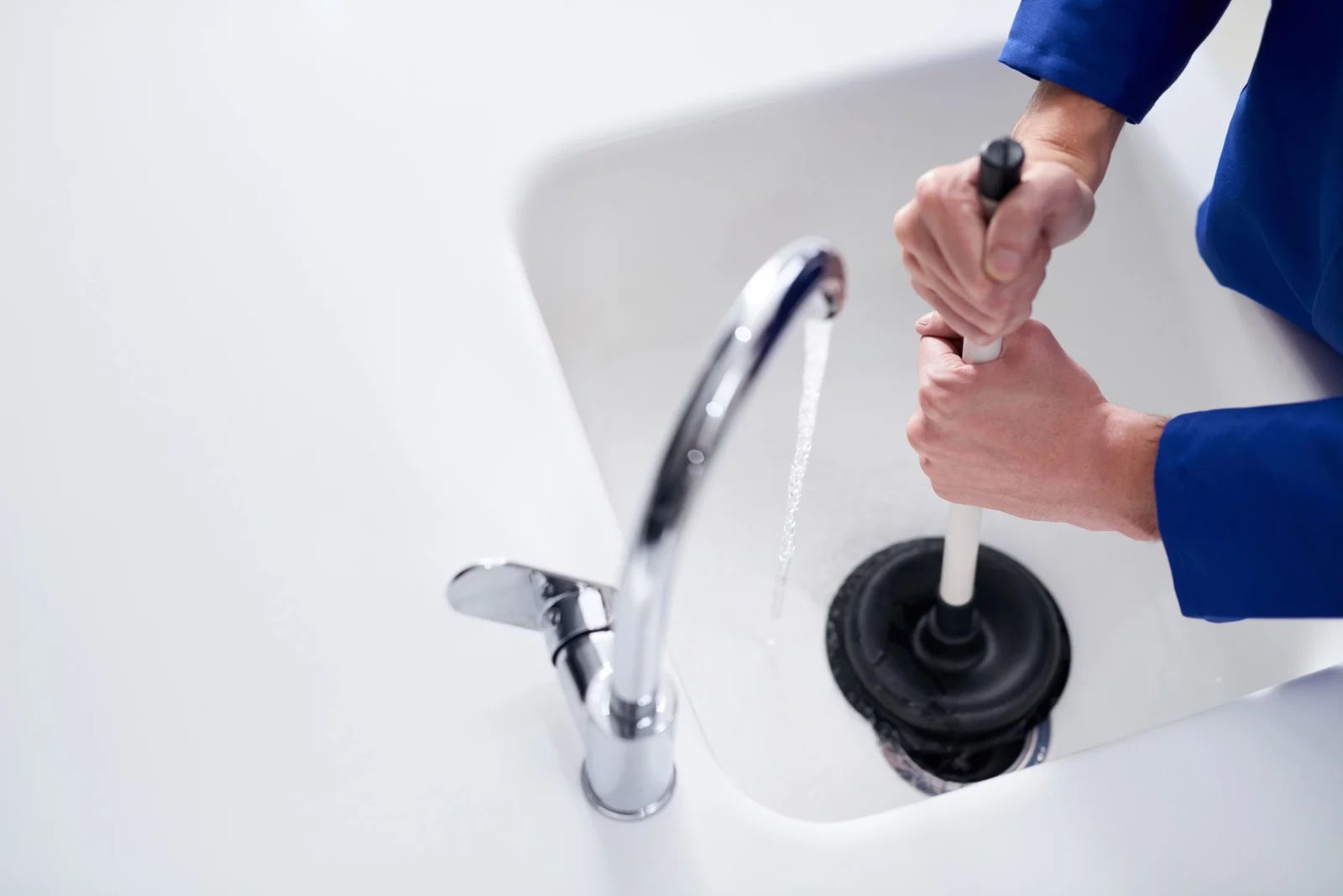
Slow drains are one of the earliest indicators that something is restricting wastewater flow inside the plumbing system. While many homeowners attribute sluggish sinks or tubs to hair, soap residue, or food particles, recurring drainage problems often reveal a deeper obstruction developing inside pipes or the main sewer line. Over time, grease buildup, mineral deposits, or tree-root intrusion can narrow pipe openings and force water to back up into fixtures.
Real-world scenarios frequently begin with a single slow drain that gradually spreads to multiple fixtures, signaling that the blockage is no longer isolated. When gurgling sounds, foul odors, or water pooling near floor drains accompany the slowdown, the situation may already be progressing toward a complete backup. Ignoring these red flags increases the risk of wastewater overflow, interior contamination, and structural damage to flooring and drywall.
From a best-practice standpoint, homeowners should avoid relying solely on chemical drain cleaners, which can corrode pipes and provide only temporary relief. Mechanical cleaning methods, hydro-jetting, and professional inspections offer safer, longer-lasting solutions. Preventive maintenance — such as installing drain strainers, disposing of grease properly, and scheduling periodic pipe assessments — helps maintain smooth drainage and reduces the likelihood of emergency repairs.
2. Leaking Faucets, Valves, and Pipes
Small Drips That Lead to Major Damage
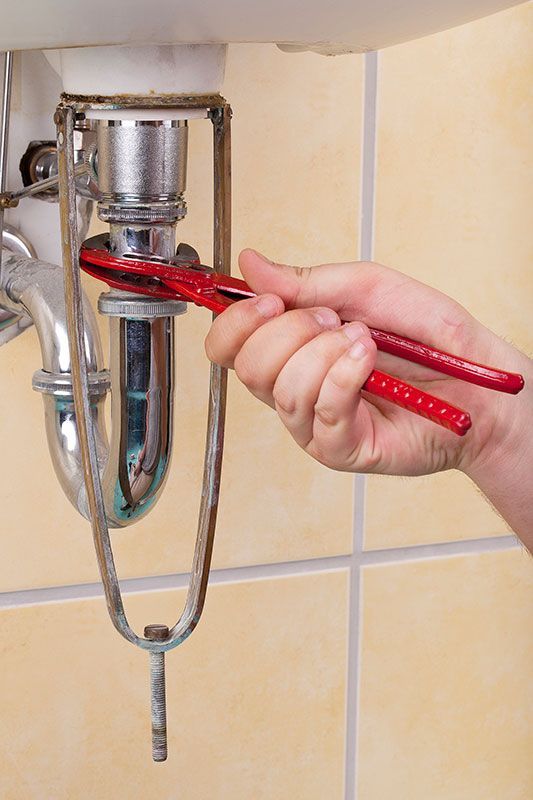
Leaky fixtures may appear minor, but they represent one of the most wasteful and expensive plumbing problems when left unresolved. A single dripping faucet can waste hundreds of gallons of water per year, increasing utility costs while masking underlying wear in cartridges, seals, and supply lines. Beyond faucets, slow leaks inside walls, ceilings, or crawl spaces can remain undetected until stains, warped materials, or mold growth reveal the extent of moisture intrusion.
Common causes include deteriorated O-rings, mineral buildup, excessive water pressure, and corrosion in aging pipe systems. In multi-story homes, hidden leaks often travel along framing before becoming visible, making early detection especially important. Musty odors, bubbling paint, or unexplained spikes in water bills are key warning signs that moisture is accumulating where it should not.
From a risk perspective, ongoing leaks weaken structural components, compromise indoor air quality, and create ideal conditions for microbial growth. Addressing the issue promptly not only conserves water, but also prevents costly restoration work. Routine inspections of shut-off valves, supply hoses, and connection points — especially around bathrooms, kitchens, and laundry areas — help homeowners identify wear before failure occurs. Replacing aging components and installing pressure-regulating devices are practical strategies for extending the life of plumbing systems.
3. Low Water Pressure Throughout the Home
Understanding Flow Restrictions and Distribution Problems
Low water pressure is more than an inconvenience — it can signal mineral accumulation, partially closed valves, fixture obstructions, or deterioration inside galvanized or aging pipes. When showers, faucets, and appliances deliver reduced flow across multiple rooms, the issue is typically related to system-wide supply restrictions rather than a single malfunctioning fixture.
In some properties, hard-water deposits gradually narrow aerators and supply lines, reducing performance over time. In others, sediment inside a failing water heater or leaks in concealed piping contribute to pressure fluctuations. Homeowners may notice inconsistent temperature control, prolonged appliance cycles, or difficulty rinsing soap and cleaning products effectively — all of which point to declining system efficiency.
Troubleshooting begins with confirming whether the low pressure is isolated or widespread. Checking aerators, verifying valve positions, and reviewing municipal supply conditions can help rule out simple causes. When the problem persists, a professional evaluation is essential to identify pipe corrosion, hidden leaks, or pressure-regulator failure. Restoring proper flow improves fixture function, reduces strain on appliances, and supports better water conservation across the household. Long-term best practices include periodic flushing of water heaters, timely pipe upgrades, and the installation of filtration systems in areas with hard-water conditions.
4. Water Heater Failures and Performance Issues
When Hot Water Reliability Starts to Decline
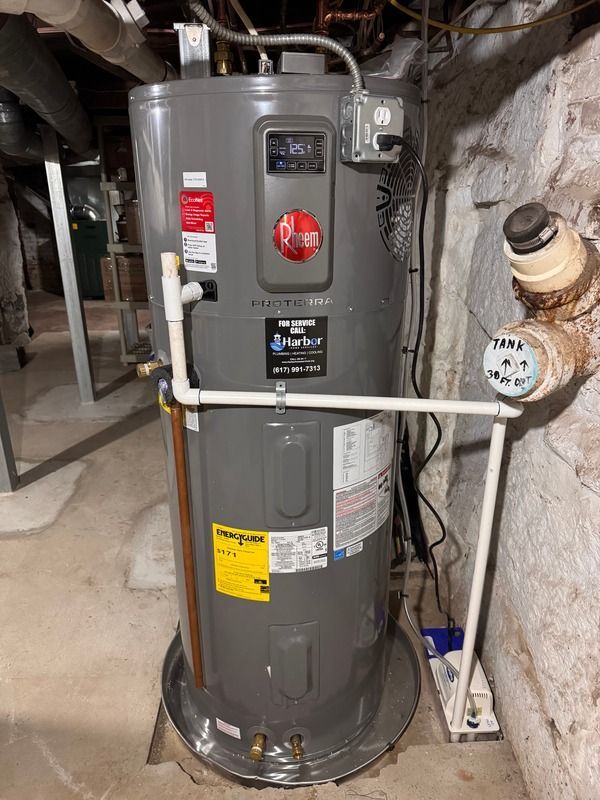
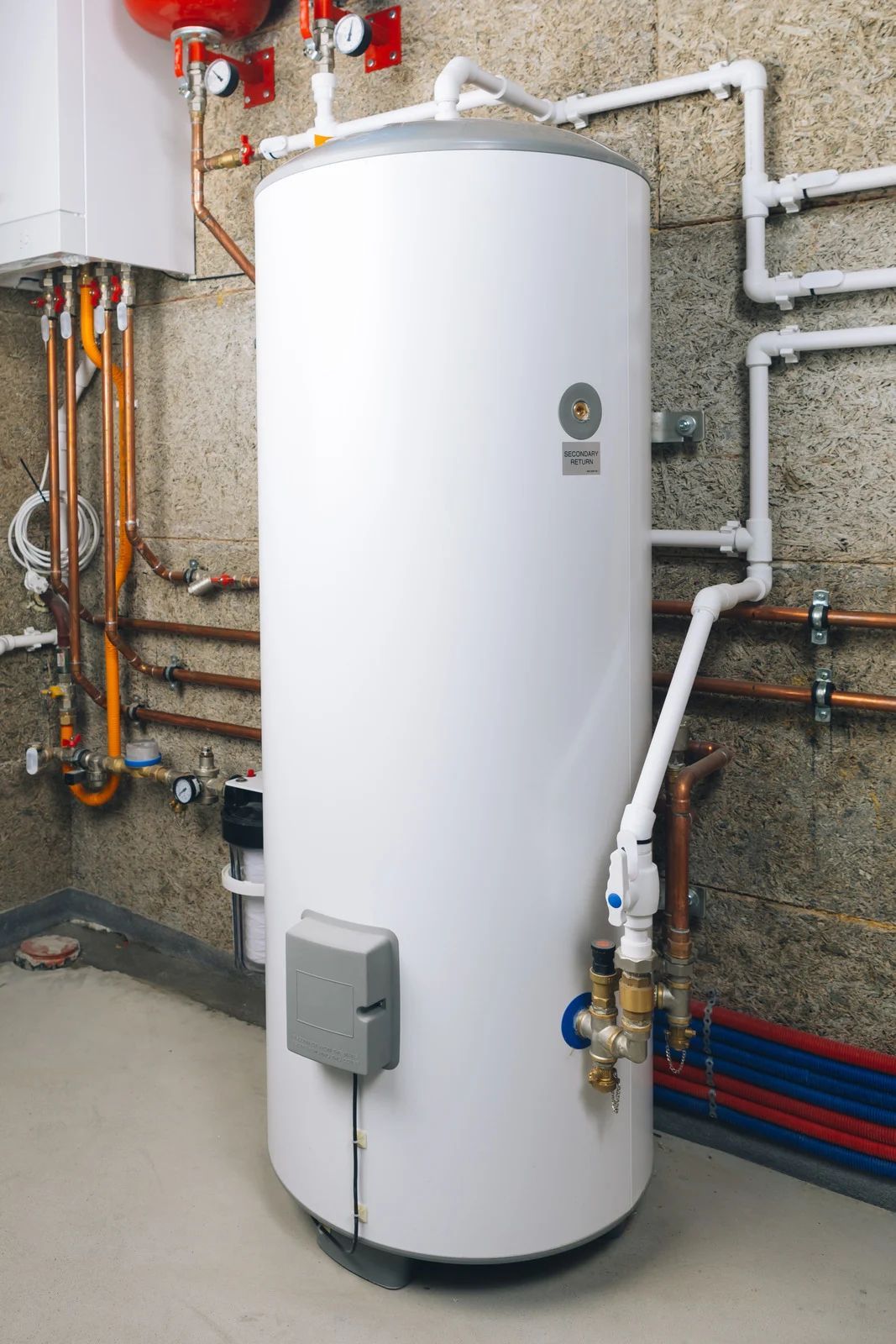
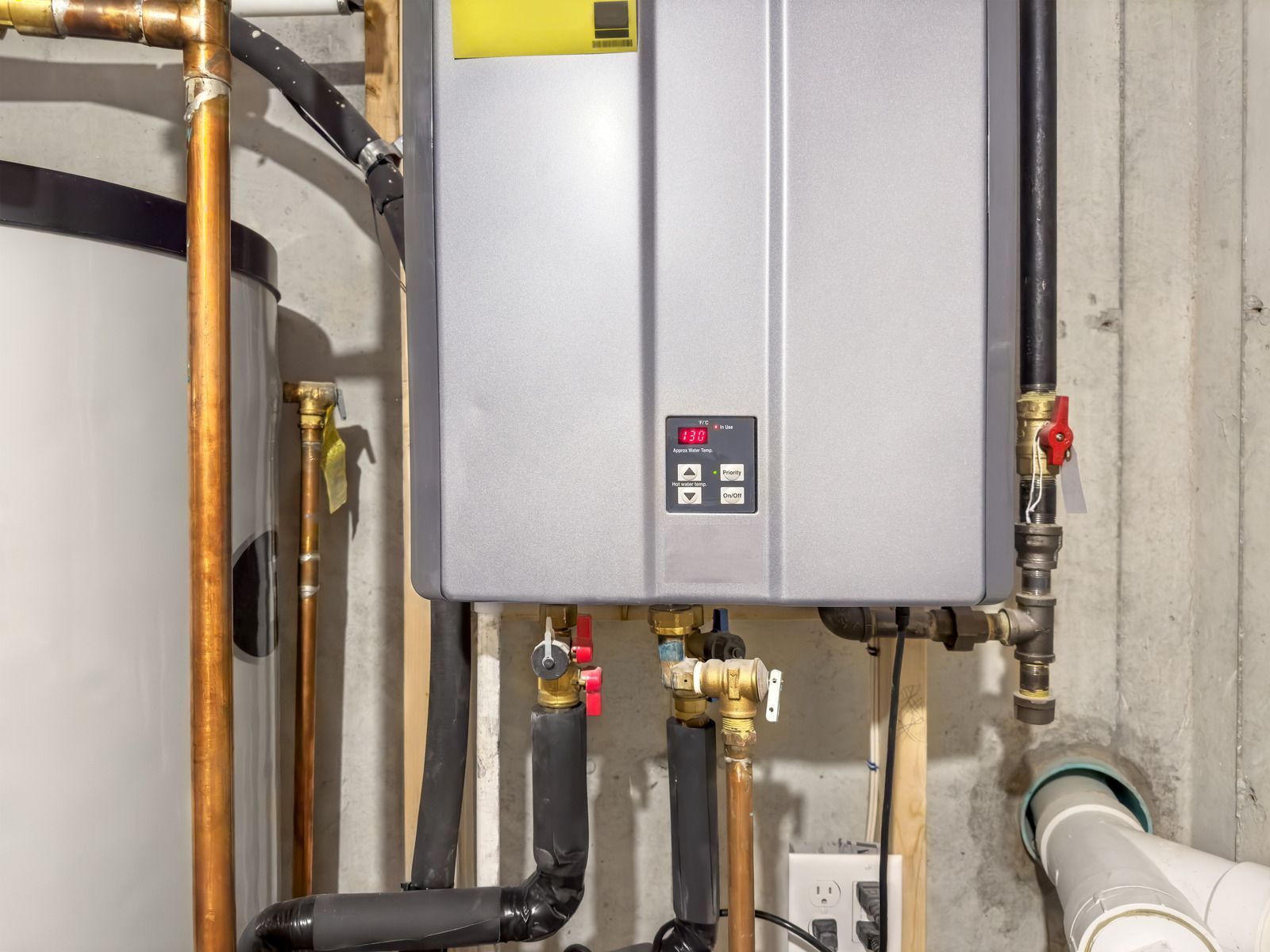
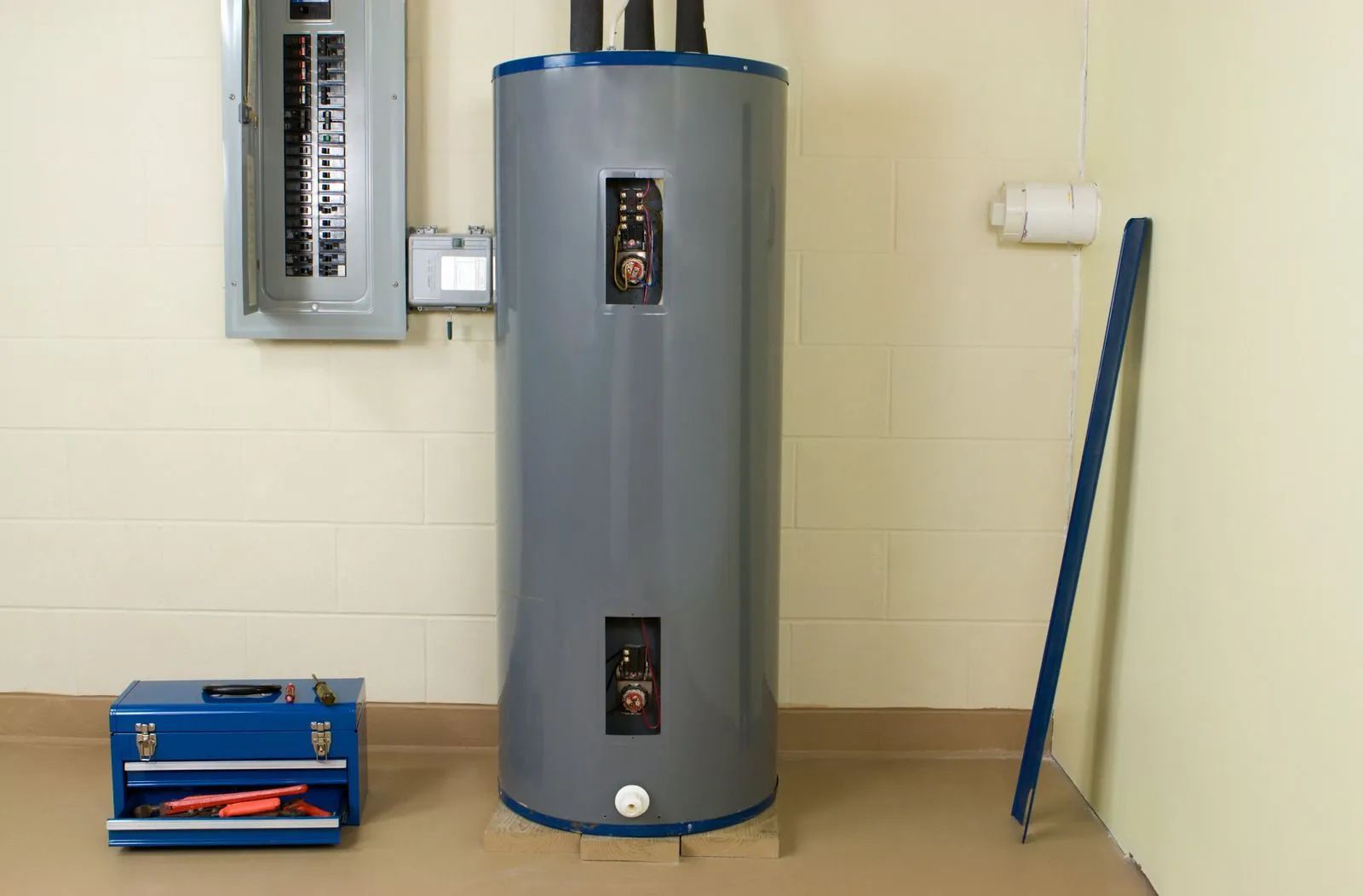
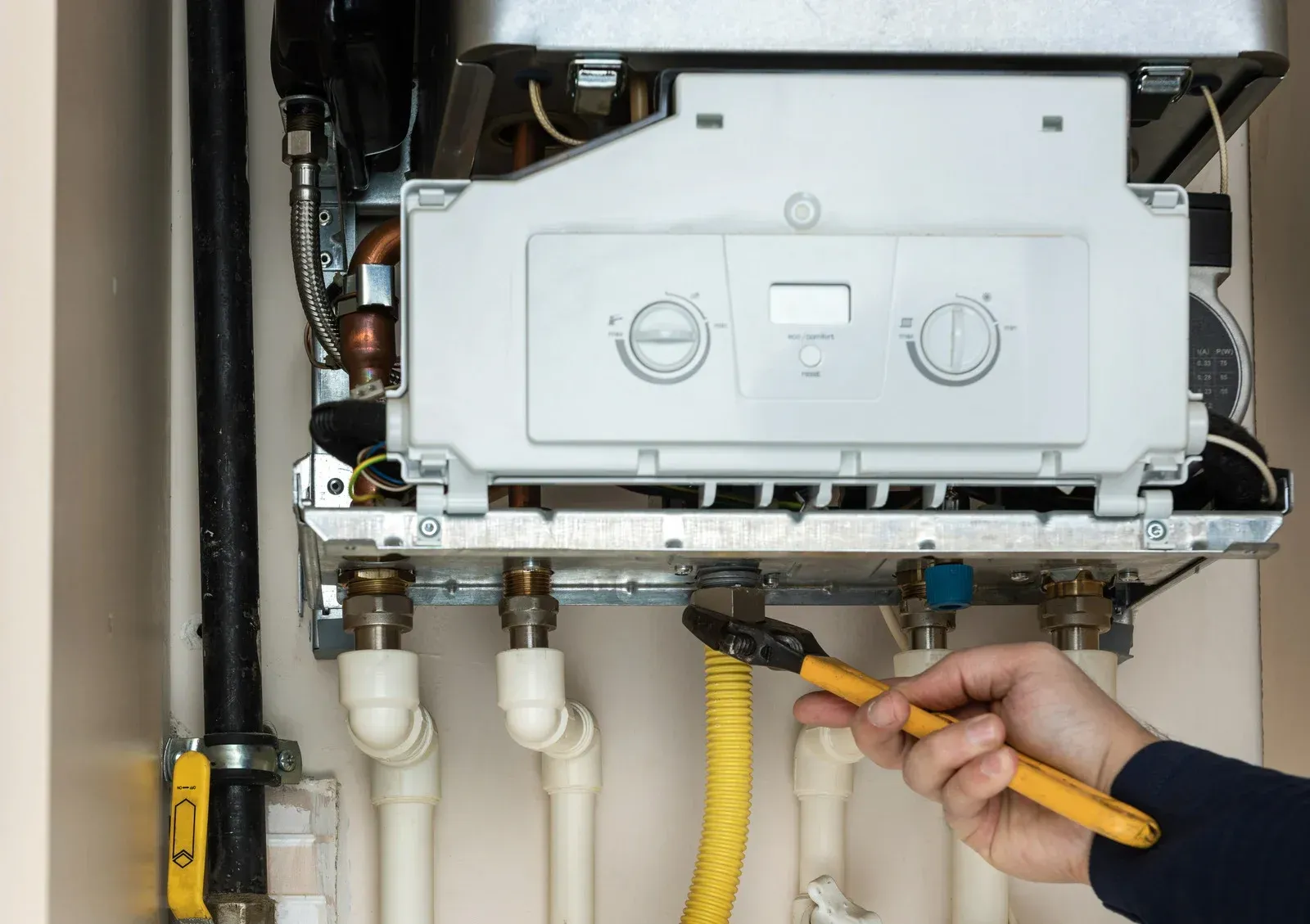
Water heaters work continuously to support bathing, cleaning, laundry, and cooking demands, making them one of the most important components of a residential plumbing system. As units age, efficiency decreases and symptoms such as inconsistent water temperature, rumbling noises, discolored water, or higher energy bills begin to emerge. Sediment accumulation at the base of the tank is a frequent cause, insulating heating elements and forcing the system to work harder to produce the same output.
In gas and electric models alike, neglected maintenance increases the likelihood of leaks, overheating, or premature failure. A small drip at the tank base or pressure-relief valve may seem insignificant, but it often indicates internal deterioration or excessive pressure buildup. In severe cases, tank failure can lead to sudden flooding and widespread property damage.
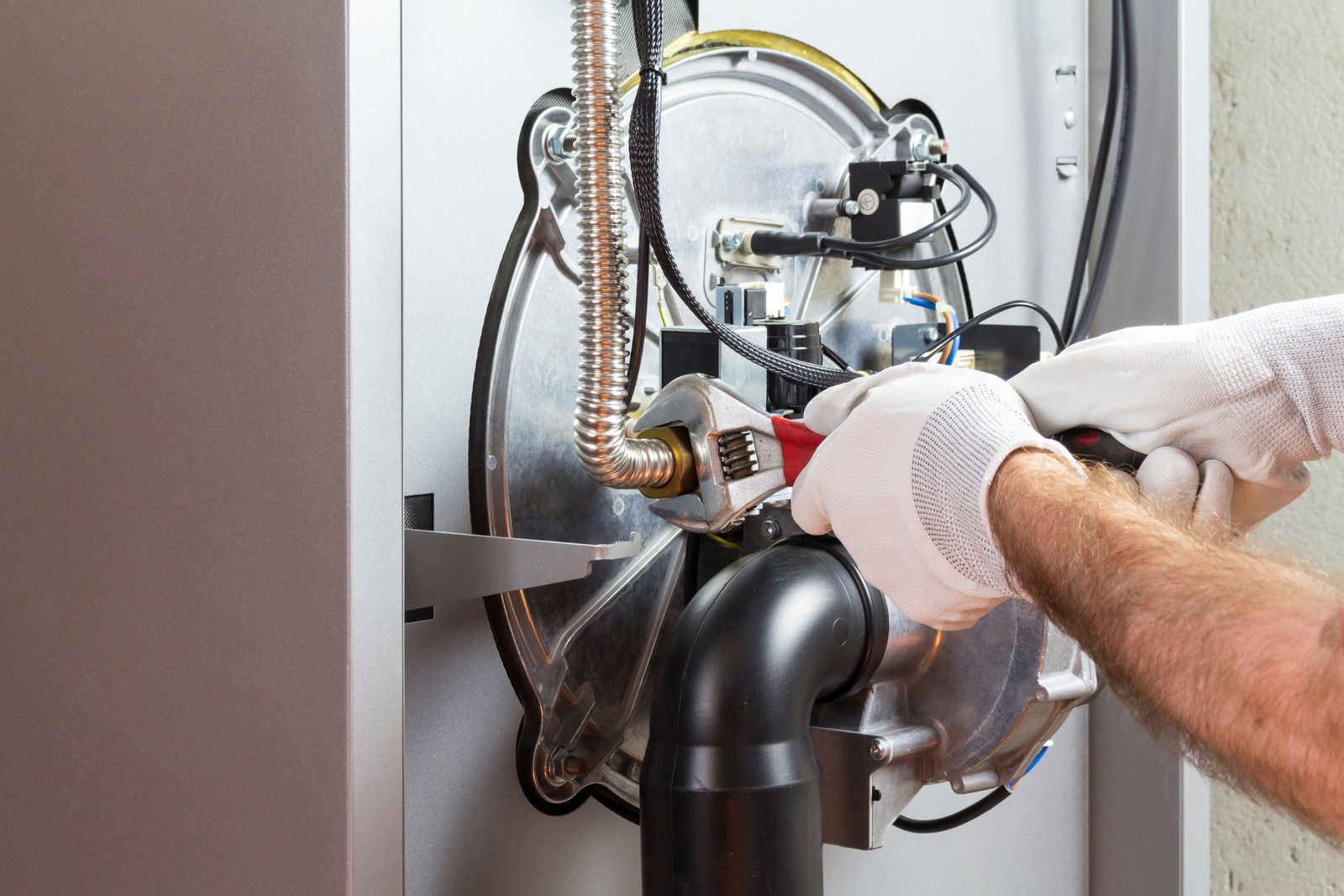
Expert recommendations emphasize proactive servicing to extend system lifespan. Annual flushing removes sediment, while routine inspection of anode rods, thermostats, and safety valves helps ensure safe, efficient operation. When repair costs outweigh performance benefits — especially with older or heavily corroded units — replacement with a modern, energy-efficient model can reduce operating expenses and improve long-term reliability. Understanding these warning signs empowers homeowners to plan upgrades before unexpected breakdowns occur.
5. Sewer Line Backups and Unpleasant Odors
Protecting Health, Safety, and Property Integrity
Few plumbing problems are as disruptive as sewer line blockages or wastewater backups. These events not only create unsanitary conditions but also pose serious health and structural risks. Early indicators include recurring drain clogs, bubbling toilets, foul odors near drains or yard areas, and soggy patches in outdoor soil. Causes range from aging or collapsed pipes to grease buildup, foreign objects, and invasive tree roots infiltrating underground lines.
When pressure builds inside a compromised sewer line, wastewater may reverse direction and enter floor drains, tubs, or lower-level fixtures. Immediate response is essential to prevent contamination, flooring damage, and costly remediation work. Attempting to clear major obstructions without proper equipment can worsen the problem, forcing debris deeper into the line and increasing the likelihood of rupture.
The most effective approach combines diagnostic technology — such as camera inspections — with targeted cleaning and repair strategies. Hydro-jetting, sectional pipe replacement, and root-removal treatments help restore safe flow and protect system longevity. Preventive habits also play a critical role: avoiding grease disposal in sinks, limiting flushable wipes and hygiene products, and monitoring mature trees near utility lines reduces strain on the sewer system. Awareness and timely action help safeguard both property and household well-being.
Trusted Local Plumbing Experts Committed To Homeowners
With more than 30 years of dedicated industry experience, Pete's Plumbing Repair LLC serves homeowners across Lodi, Bergen, and Passaic County, New Jersey with dependable, precision-focused plumbing solutions that reflect a deep understanding of residential system performance. Our team approaches every service call with an emphasis on accuracy, safety, and long-term value, whether we are diagnosing persistent leaks, restoring fixture efficiency, or resolving complex piping concerns behind walls and foundations. We combine proven repair techniques with modern diagnostic tools, allowing homeowners to receive clear explanations, transparent recommendations, and workmanship that stands up to everyday use. Clients trust our professionals because we treat every property with respect, arrive prepared, and prioritize repairs that prevent repeat failures or avoidable water damage. By partnering with a local company that values quality craftsmanship and accountability, homeowners gain a reliable resource for routine maintenance, urgent repairs, and system upgrades that keep their plumbing operating smoothly year-round. Our commitment to honest communication, punctual service scheduling, and consistent follow-through ensures every project is completed to the highest professional standards, reinforcing our reputation as a trusted plumbing partner for families throughout the region. We remain dedicated to dependable workmanship and confidence on every job from start to finish.